 Social conundrum: if you take a cheap bottle of wine to a friend's house for a party. And it doesn't get opened; because it's a cheap bottle of wine. Do you take it back home and risk your friends thinking that you're an ungracious, cretinous, alcoholic guest? Or do you leave it behind, where it will likely sit unopened for years? Other guests of your friends will raise their eyebrows at the dusty bottle of $6 merlot and ask, "Who left the Night Train here?". Is it better to stick to beer as a hostess gift? Flowers? A half finished sudoku book?
Wednesday, July 6, 2011
Ready To Crash And Burn, I'll Never Learn...
Social conundrum: if you take a cheap bottle of wine to a friend's house for a party. And it doesn't get opened; because it's a cheap bottle of wine. Do you take it back home and risk your friends thinking that you're an ungracious, cretinous, alcoholic guest? Or do you leave it behind, where it will likely sit unopened for years? Other guests of your friends will raise their eyebrows at the dusty bottle of $6 merlot and ask, "Who left the Night Train here?". Is it better to stick to beer as a hostess gift? Flowers? A half finished sudoku book?

Monday, July 4, 2011
Steam Fired Stout

In 2008, Henry established Fire Mountain Brewery in his workshop space in Carlton, Oregon. He moved from B-1 Bombers to 22oz Bottles of his Oregon Pale Ale and Steam Fired Stout. I was able to procure one of Henry's first bottlings of Steam Fired Stout a year after it had hit the market. The bottle, already dusty from a few months on the shelf at John's Marketplace in Multnomah Village, went home with me and straight into my beer cellar.
A couple of years in storage ticked by. I unearthed this treasure from my cellar this morning and popped the cap at noon. It's a holiday weekend; but drinking before noon is still bad form. Unless your camping, fishing or still drunk from last night.
The label proclaims this beer to be "brewed old school", and judging from the foaming action when this black beauty got exposed to air . . .I'd say that this stout got a pinch of sugar in the bottle, before the cap was affixed, for some secondary fermentation. I lost a third of the contents as it spewed forth it's thick starchy head from the top of the 22oz bottle. The brew is dark as night; but has a light mouthfeel. The head, as I mentioned was meringue stiff, khaki in color and sweet. This stout is dry and silky as it slips past the front of your mouth and then pounces tangily on the back of your tongue. Notes of coffee and licorice seesaw with a big oaky bouquet. An exceptionally delicious beer.
This beer is 7.6% as bottled; but easily pushes 10% after a few years. Probably a good thing 6 or 7 ounces spilled out onto the table as I opened it; because the rest of it fit nicely into a pint glass. And this pint is about all I can handle in the noon hour.
Happy Independence Day!
Wednesday, June 29, 2011
Destroyermen
March, 1942
Destroyermen
My thumbnail review:
An entertaining read with equal parts science fiction escapism and a loving treatment of WWII naval heroes, Into the Storm was fun enough to continue on with the series but too light for a serious recommendation.
If that satisfies your curiosity, you should stop reading here. If the word 'Lizardmen' peakes your interest, read on.
Once again, militarism smacks me in the face with technical lingo and a lot of sweaty men living together on a boat in this Navy based saga. But these books are a loving tribute to the Destroyers of old, and even when the details should bore me I am held rapt by a narration rich in respect and tribute for World War II sea craft.

The main characters are straight out of some kind of old fashioned black and white serial adventure. The strong and silent captain, aided by the resiliant nurse, both of them aching with longing for each other but afraid of the ramifications of their emotions. Where the battle scenes thrive on a love of high seas adventure, so do the crew and their "lovable" personalities. It should all be very cliche', and yet it works because the author so fully believes in it himself and simply wants you to share in his fun, camp as it may be.

Oh yes, and there are lizardmen. The plot is simple and probably written on the dust jackets. WWII Navy Destroyer disappears in battle with the Japanese, only to reappear in an alternate history earth populated by lemur-cat people who are systematically being slaughtered by a race of lizardmen. The sailors, for lack of something better to do (like getting home or finding human women) pick a side and join in battle.

The lemur-cat-people were my biggest turn-off. A lot of time is spent describing how beautiful and great their primitive culture is, but furry primitives will always bring me back to how the Ewoks killed Star Wars by regressing a culture that was so great because of how alien and advanced it was. Now, it's not to say the lemurs aren't in some ways cool and fun characters, but you know me- I want something crazy and different to take me to the next level. I guess I prefer a blaster to hokey religions.

Now the lizard dudes: Yes, yes yes. For the most part these guys are also predictable (well, we've seen evil lizards before, right?). But this particular batch of dinosaur descendants are especially cruel and awful, in a way that makes our fun sailors throw up on each other when they see the slaughter houses. Everyone loves an enemy that you can hate- it's a simple formula but one that too often gets diluted or forgotten.

I won't review each issue of the first trilogy- they pretty much carry on an ongoing serial about the adventures of US sailors in an alien land. There is a second series out now, but I probably won't read it until I come back around to WWII when I have grandchildren. I very much enjoyed these fun stories, but can wait another ten years to find out what happens.
Destroyermen
My thumbnail review:
An entertaining read with equal parts science fiction escapism and a loving treatment of WWII naval heroes, Into the Storm was fun enough to continue on with the series but too light for a serious recommendation.
If that satisfies your curiosity, you should stop reading here. If the word 'Lizardmen' peakes your interest, read on.

Once again, militarism smacks me in the face with technical lingo and a lot of sweaty men living together on a boat in this Navy based saga. But these books are a loving tribute to the Destroyers of old, and even when the details should bore me I am held rapt by a narration rich in respect and tribute for World War II sea craft.

The main characters are straight out of some kind of old fashioned black and white serial adventure. The strong and silent captain, aided by the resiliant nurse, both of them aching with longing for each other but afraid of the ramifications of their emotions. Where the battle scenes thrive on a love of high seas adventure, so do the crew and their "lovable" personalities. It should all be very cliche', and yet it works because the author so fully believes in it himself and simply wants you to share in his fun, camp as it may be.

Oh yes, and there are lizardmen. The plot is simple and probably written on the dust jackets. WWII Navy Destroyer disappears in battle with the Japanese, only to reappear in an alternate history earth populated by lemur-cat people who are systematically being slaughtered by a race of lizardmen. The sailors, for lack of something better to do (like getting home or finding human women) pick a side and join in battle.

The lemur-cat-people were my biggest turn-off. A lot of time is spent describing how beautiful and great their primitive culture is, but furry primitives will always bring me back to how the Ewoks killed Star Wars by regressing a culture that was so great because of how alien and advanced it was. Now, it's not to say the lemurs aren't in some ways cool and fun characters, but you know me- I want something crazy and different to take me to the next level. I guess I prefer a blaster to hokey religions.

Now the lizard dudes: Yes, yes yes. For the most part these guys are also predictable (well, we've seen evil lizards before, right?). But this particular batch of dinosaur descendants are especially cruel and awful, in a way that makes our fun sailors throw up on each other when they see the slaughter houses. Everyone loves an enemy that you can hate- it's a simple formula but one that too often gets diluted or forgotten.


I won't review each issue of the first trilogy- they pretty much carry on an ongoing serial about the adventures of US sailors in an alien land. There is a second series out now, but I probably won't read it until I come back around to WWII when I have grandchildren. I very much enjoyed these fun stories, but can wait another ten years to find out what happens.
Sunday, June 26, 2011
Wiseman's Silver
Today, I'm going to help my wife clean up my father-in-law's house. It's a floating home. His life's raft is packed like a rat's nest with years of memorabilia and other used-to-be-useful stuff. But as the collected ponderance of his possessions weigh him down, literally anchoring him deeper into the river, he has found himself unable to move forward in life. This man has literally dammed himself on the Willamette River.
He's an old sailor. His hair had been proudly jetblack and had transitioned into a distinguished salt & pepper, before giving way to a wiseman's silver . . . that has eventually tarnished into a nicotine stained corn silk. He smokes because men smoke. He knows things about living on a boat that you and I don't know. For instance: you don't set a screwdriver down. Not when you're working on a boat. You use the screwdriver or put the screwdriver away. Otherwise it's goin' in the drink.
He lives with a cat named Junior; because he named the cat after himself. And he mostly keeps himself company. Even when he's entertaining others; he's often really just entertaining himself.

We'll take loads of tacky mid-century thriftstore chatchkies and estate sale treasures back to the Goodwill: returning the crap to it's homeland. I'm hoping this creates a bit of karma for us. It's important not to mess with the junk gods.
Maybe hoarders are not victims of their own minds. They probably aren't even crazy. They may be suffering from a curse. A pox from the hoarder god, Clearancesale, has been put on their house. Swarms of accessories have attacked their lands. The Junk Gods are purposeful and merciless; and will not rest until they've imprisoned your most cherished moments.
These unlucky hoarder bastards have actually had their memories ripped out of their hearts and put into inanimate objects. Dreams trapped inside dusty things. Nostalgia has become a genie in a lamp, and a stack of magazines, and a Tupperware box of belt buckles, and three unmatched socks. The spirit of their pasts live inside the things they collect.
I will try to free one man's genies today. Or at least keep the houseboat from sinking. Collectors are weird and I totally respect weird. So I'm helping my Father-in-law because he needs it and has begrudgingly accepted our offer to help. I'll be there to ease some weight . . . not to bring anything heavy with me. So I'm gonna just leave my judgement at home.
You use an anchor or you put the anchor aweigh.
He's an old sailor. His hair had been proudly jetblack and had transitioned into a distinguished salt & pepper, before giving way to a wiseman's silver . . . that has eventually tarnished into a nicotine stained corn silk. He smokes because men smoke. He knows things about living on a boat that you and I don't know. For instance: you don't set a screwdriver down. Not when you're working on a boat. You use the screwdriver or put the screwdriver away. Otherwise it's goin' in the drink.
He lives with a cat named Junior; because he named the cat after himself. And he mostly keeps himself company. Even when he's entertaining others; he's often really just entertaining himself.
We'll take loads of tacky mid-century thriftstore chatchkies and estate sale treasures back to the Goodwill: returning the crap to it's homeland. I'm hoping this creates a bit of karma for us. It's important not to mess with the junk gods.
Maybe hoarders are not victims of their own minds. They probably aren't even crazy. They may be suffering from a curse. A pox from the hoarder god, Clearancesale, has been put on their house. Swarms of accessories have attacked their lands. The Junk Gods are purposeful and merciless; and will not rest until they've imprisoned your most cherished moments.
These unlucky hoarder bastards have actually had their memories ripped out of their hearts and put into inanimate objects. Dreams trapped inside dusty things. Nostalgia has become a genie in a lamp, and a stack of magazines, and a Tupperware box of belt buckles, and three unmatched socks. The spirit of their pasts live inside the things they collect.
I will try to free one man's genies today. Or at least keep the houseboat from sinking. Collectors are weird and I totally respect weird. So I'm helping my Father-in-law because he needs it and has begrudgingly accepted our offer to help. I'll be there to ease some weight . . . not to bring anything heavy with me. So I'm gonna just leave my judgement at home.
You use an anchor or you put the anchor aweigh.
Friday, June 3, 2011
Return Engagement (Settling Accounts)
June 22, 1941
Harry Turtledove is known as the Master of Alternative History fiction. Many of his book series look very interesting. This isn't one of them. While his Worldwar series is about aliens invading during world War II, and would've made a neat addition to my book list, I picked this one instead, which is about the South winning the Civil War and how that plays out to WWII, and it really bore no interest or relevancy to my timeline readings.

This series seems to be loaded with political and social commentary, all wrapped into Turledove's trademark militarism. I can only imagine that the drama of the primary characters relationships couched into meaningful twists on real life issues such as race, which is then couched into a whole lot of talk about battle strategy and tanks makes this both a thrilling read for war strategy fans who also take pride in being just a little literate about their warfare porn.

Not that I'm knocking the genre (much). I get people who fawn over chess, Stratego and shooting toy soldiers with rubber bands. I'm sure that part of my indifference to games and story of strategy are a result of a lack of understanding or education. But I also was brought up to be just a bit of a hippie, so... like, peace, man. And my daddy didn't play chess. As entertainment I don't mind violence. I found the battle scenes in Avatar to be very exciting (if mostly for the special effects) and I love Apocolypse Now
 (but again, more for the overall cinematography than pure army violence). Clearly, the difference for me is adding a twist, be it aliens or humor or outstanding filmography.

In this case I thought that the alternative history aspect would really make things exciting. But it just made things... different. The narrative is really quite straightforward and actually a bit boring in my opinion. I really thought such a prolific writer would bring his own style, but it basically came down to "It's WWII, but the South won the Civil War, so that's an extra thing going on."

I attest in this blog to being a hardcore reader who finishes what he started, but this was one of those rare cases where the library told me I couldn't renew the book, and I said, "Hey, that's just fine", and returned it the next day. I think I will give HT another try sometime, but I'll be careful to do my research better before I devote myself to another nine book series about people firing guns at each other.
Harry Turtledove is known as the Master of Alternative History fiction. Many of his book series look very interesting. This isn't one of them. While his Worldwar
series is about aliens invading during world War II, and would've made a neat addition to my book list, I picked this one instead, which is about the South winning the Civil War and how that plays out to WWII, and it really bore no interest or relevancy to my timeline readings.
This series seems to be loaded with political and social commentary, all wrapped into Turledove's trademark militarism. I can only imagine that the drama of the primary characters relationships couched into meaningful twists on real life issues such as race, which is then couched into a whole lot of talk about battle strategy and tanks makes this both a thrilling read for war strategy fans who also take pride in being just a little literate about their warfare porn.

Not that I'm knocking the genre (much). I get people who fawn over chess, Stratego and shooting toy soldiers with rubber bands. I'm sure that part of my indifference to games and story of strategy are a result of a lack of understanding or education. But I also was brought up to be just a bit of a hippie, so... like, peace, man. And my daddy didn't play chess. As entertainment I don't mind violence. I found the battle scenes in Avatar
to be very exciting (if mostly for the special effects) and I love Apocolypse Now (but again, more for the overall cinematography than pure army violence). Clearly, the difference for me is adding a twist, be it aliens or humor or outstanding filmography. 
In this case I thought that the alternative history aspect would really make things exciting. But it just made things... different. The narrative is really quite straightforward and actually a bit boring in my opinion. I really thought such a prolific writer would bring his own style, but it basically came down to "It's WWII, but the South won the Civil War, so that's an extra thing going on."

I attest in this blog to being a hardcore reader who finishes what he started, but this was one of those rare cases where the library told me I couldn't renew the book, and I said, "Hey, that's just fine", and returned it the next day. I think I will give HT another try sometime, but I'll be careful to do my research better before I devote myself to another nine book series about people firing guns at each other.
Wednesday, May 18, 2011
The Troy Game
1939-1941
Druids Sword
The next book is actually the fourth and final book in a series. I would describe the genre as Chick Fantasy, if you'll excuse my crass. By Chick Fantasy I mean a book that includes magic and fantasy, but also big handsome guys with their shirts off on the cover, and an over-emphasis on romance. (By the way, do not Google "Chick fantasy". That's not what I meant.)

Hey, nothing wrong with a little romance- and a little centaur love, if you know what I mean. But I'm not kidding about the over-emphasis bit. No one in real life spends so much of their time brooding and pining and obsessing about the other people in their lives. And even if they do- why do I need to read 2,000 pages about it? 2,000 pages of any one thing is mind-blowingly boring. Even soap opera/chick fantasy/Harlequin romance fans probably got bored in parts of this series.

But knowing me, I read the whole damn thing. And here's why. Timeline awesomeness. The premise is pretty cool, especially in the context of my chronological book list. Here's the deal. The first book takes place in the 11th century BC and is rich in the Greek mythology of Theseus and the Minotaur as well as Troy and the establishment of what would one day become London.
 The key factor is that the main characters have a magical ability to reincarnate. So the second book features the same main players but reborn into the time of William the Conquerer (1035). The third book takes place in the mid-seventeenth century.

I started my timeline with Star Wars and moved quickly into ancient Eqypt and Stonehenge. So naturally I did not read this series consecutively. I read it on the heels of Homer and Dr. Who hiding in the Trojan horse. I read it side-by-side with the Doctor's version of London burning. I read it spread over years of reading other things- so, in short, long enough to forget about the characters between each book. Which sucks, because the characters are reborn each book with different names and often different personalities. Which makes it quite confusing.

There are some very cool aspects to the story. I enjoyed the transformation of Brutus to Jack Skelton. The female witches are exciting and evil for every time they swoon and lament being a victim. The use of juxtopositioning the mythological symbols and characters over the history of London into modern times mostly lived up to my expectations. But overall it was a whole lot to read for a limited payoff and the pages and pages of deliberation and anxiety with little to no action, especially in the final book which should have rocked considering the setting of the bombing of London, drove me to sleep more often than captivating my imagination. I am sure there is a hardcore audience for Ms. Douglass, but I won't be looking into her other work or recommending the Book of Troy series to anyone I know.
Druids Sword
The next book is actually the fourth and final book in a series. I would describe the genre as Chick Fantasy, if you'll excuse my crass. By Chick Fantasy I mean a book that includes magic and fantasy, but also big handsome guys with their shirts off on the cover, and an over-emphasis on romance. (By the way, do not Google "Chick fantasy". That's not what I meant.)

Hey, nothing wrong with a little romance- and a little centaur love, if you know what I mean. But I'm not kidding about the over-emphasis bit. No one in real life spends so much of their time brooding and pining and obsessing about the other people in their lives. And even if they do- why do I need to read 2,000 pages about it? 2,000 pages of any one thing is mind-blowingly boring. Even soap opera/chick fantasy/Harlequin romance fans probably got bored in parts of this series.

But knowing me, I read the whole damn thing. And here's why. Timeline awesomeness.
 The premise is pretty cool, especially in the context of my chronological book list. Here's the deal. The first book takes place in the 11th century BC and is rich in the Greek mythology of Theseus and the Minotaur as well as Troy and the establishment of what would one day become London.
 The key factor is that the main characters have a magical ability to reincarnate. So the second book features the same main players but reborn into the time of William the Conquerer (1035). The third book takes place in the mid-seventeenth century.

I started my timeline with Star Wars and moved quickly into ancient Eqypt and Stonehenge. So naturally I did not read this series consecutively. I read it on the heels of Homer and Dr. Who hiding in the Trojan horse.
 I read it side-by-side with the Doctor's version of London burning. I read it spread over years of reading other things- so, in short, long enough to forget about the characters between each book. Which sucks, because the characters are reborn each book with different names and often different personalities. Which makes it quite confusing.

There are some very cool aspects to the story. I enjoyed the transformation of Brutus to Jack Skelton. The female witches are exciting and evil for every time they swoon and lament being a victim. The use of juxtopositioning the mythological symbols and characters over the history of London into modern times mostly lived up to my expectations. But overall it was a whole lot to read for a limited payoff and the pages and pages of deliberation and anxiety with little to no action, especially in the final book which should have rocked considering the setting of the bombing of London, drove me to sleep more often than captivating my imagination.
 I am sure there is a hardcore audience for Ms. Douglass, but I won't be looking into her other work or recommending the Book of Troy series to anyone I know.
Tuesday, May 10, 2011
Maus
Mid-1930's to Winter 1944
By now I hope that most folks have at least heard of this duo of graphic novels. Maus holds the distinction of being the only comic book ever honored with a Pulitzer Prize. Briefly put, it's a re-telling of the Nazi concentration camps in which Jews are portrayed as mice and Nazis are cats. The first book is subtitled 'My Father Bleeds History'. As a title alone this is prize worthy, but it also reflects a dual storyline of the author's relationship with his father, a camp survivor, on whom the graphic novel is based on. The complexity of our relationships with our loved ones can be as hard to explain to younger generations as trying to make sense of genocide.

This book will convert anyone still underestimating the graphic novel medium as "funny books". I can't say enough about how great it is, certainly considering what's already been written and the awards it's received. 'Watchmen' may have re-invented the art form, but 'Maus' solidified it as art.

My initial reaction to both books was in no way muddled- I marked it as some of the highest rated reading material to cross my path in years. This series should be required reading. A frank and direct recollection of the concentration camps with details most people are afraid to look in the eye. And yet, the animal charactizations perfectly serve to deliver a dose of unexpected humanity to the story, and even a lot of humor in parts. Well, the kind of humor that lets the human race chuckle in even the most dire of circumstances.

My wife is neither a comic reader nor a history buff, so I knew I was asking a lot when I dropped a copy on her nightstand and encouraged her to give it a try. She read the whole thing in practically one sitting. And even said it was good! That's high praise indeed.

This book is really an autobiographical piece of non-fiction, despite the anthromorphic symbolism. It bears no relevance to my timeline concept, aside from the markings of history and the second world war, much like a lot of my readings around this era. Doesn't matter. Check my book club profiles- they list Maus as the best thing I've read in recent years- period. I don't know when is an appropriate age for youngsters to read it-there is a lot of graphic violence, all real of course. I've had this debate with friends online, and feel it's a parent's choice when and how to expose their children to some of the ugliest parts of world history, but I would guess that by middle school interested readers could be exposed, with the assistance of a parent and / or teacher.

NEXT BLOG POST: Magick and WWII collide in a pretty hardcore way.
Thursday, April 21, 2011
Down and Out in Paris and London
1933
My only inclusion of George Orwell is NOT science-fiction. Down and Out in Paris and London more closely resembles 'On the Road' than 1984
 1984. This book is a thinly disguised autobiography of Orwell's time bopping around Europe as a broke young dude.

I am pretty sure the only fictitious part of this novel are the names of anyone mentioned in it. Fans of talking animals and tyrranical futuristic governments may be disappointed in this very real accounting of poverty in early 1900's Europe, but those interested in the roots of Bohemianism and the timeless charm that can be found the underground will love this novel dearly.

I especially enjoyed the chapters in which Orwell works in a hotel in Paris. While anyone in the hospitality industry may know that many of our traditions hail back in time, and especially from France, it is startling nonetheless to have the nature of hotel employees laid out so starkly and accurately. Indeed, hotel kitchens have changed very little over the past 80 years!

Throughout the narrative Orwell takes down observations in a thoughtful, factual and mostly objective manner. He has used his time to really think through the circumstances and nature of everyone he meets, and it is refreshing to read the conclusions he reaches knowing his thought process.
It did take me a long time to read this novel, it is certainly not the most exciting story (strike that: there is no story at all), but overall I very much enjoyed the style, humor and education that Down and Out provided.

I truly don't know why I read it. Like a lot of the books I read, it was recommended to me by a friend, article in a magazine, blog or recommended reading list, or referenced in another book I read in annotations or some other referall that compelled me to add it to the list. I suppose Orwell is considered a science-fiction author, and certainly considered a literary great, so it's always good to be assured that I am ingesting quality in addition to stories about grown men wearing rocket packs. But a great deal of this book is spent with the main characters trying to figure out what they can take to the pawn shop in order to get money for food and cigarettes, and failing that, looking on the street for bread crumbs and cigarette butts that might be re-lightable.

Some folks list this as one of their favorite books ever. I don't get it. Animal Farm is a lot more entertaining and meaningful. But parts of this book were funny and thought provoking.
Certainly there is no fictional timeline importance here. Just some stark realism about the economics and social class divisions of the early twentieth century, and a slice of life of another significant author who inserted himself as a fictional character into a book.

On the upside, D&OiP&L sets a nice stage for the upcoming second world war. If you thought vampires in WWI were exciting, wait until you see Navy ships fighting lizardmen!
My only inclusion of George Orwell is NOT science-fiction. Down and Out in Paris and London more closely resembles 'On the Road'
than 19841984. This book is a thinly disguised autobiography of Orwell's time bopping around Europe as a broke young dude.
I am pretty sure the only fictitious part of this novel are the names of anyone mentioned in it. Fans of talking animals and tyrranical futuristic governments may be disappointed in this very real accounting of poverty in early 1900's Europe, but those interested in the roots of Bohemianism and the timeless charm that can be found the underground will love this novel dearly.

I especially enjoyed the chapters in which Orwell works in a hotel in Paris. While anyone in the hospitality industry may know that many of our traditions hail back in time, and especially from France, it is startling nonetheless to have the nature of hotel employees laid out so starkly and accurately. Indeed, hotel kitchens have changed very little over the past 80 years!

Throughout the narrative Orwell takes down observations in a thoughtful, factual and mostly objective manner. He has used his time to really think through the circumstances and nature of everyone he meets, and it is refreshing to read the conclusions he reaches knowing his thought process.
It did take me a long time to read this novel, it is certainly not the most exciting story (strike that: there is no story at all), but overall I very much enjoyed the style, humor and education that Down and Out provided.

I truly don't know why I read it. Like a lot of the books I read, it was recommended to me by a friend, article in a magazine, blog or recommended reading list, or referenced in another book I read in annotations or some other referall that compelled me to add it to the list. I suppose Orwell is considered a science-fiction author, and certainly considered a literary great, so it's always good to be assured that I am ingesting quality in addition to stories about grown men wearing rocket packs. But a great deal of this book is spent with the main characters trying to figure out what they can take to the pawn shop in order to get money for food and cigarettes, and failing that, looking on the street for bread crumbs and cigarette butts that might be re-lightable.

Some folks list this as one of their favorite books ever. I don't get it. Animal Farm
is a lot more entertaining and meaningful. But parts of this book were funny and thought provoking.Certainly there is no fictional timeline importance here. Just some stark realism about the economics and social class divisions of the early twentieth century, and a slice of life of another significant author who inserted himself as a fictional character into a book.

On the upside, D&OiP&L sets a nice stage for the upcoming second world war. If you thought vampires in WWI were exciting, wait until you see Navy ships fighting lizardmen!
Saturday, March 26, 2011
The Political Science of the Atomic Bomb
Fallout
1932 - 1960
I grabbed this book off the library shelf recently. I probably had an armful of Justice League trade paperbacks and felt like I could use something a tad more educational in the stack.
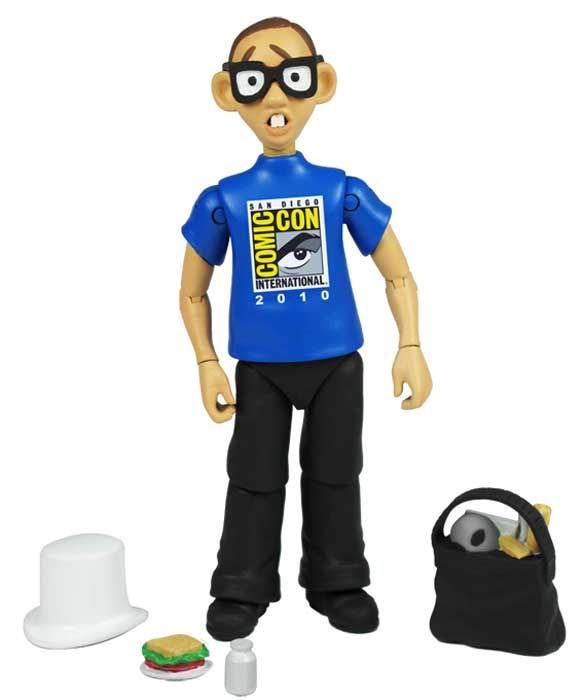
Once again I was faced with a story that covered a long time span. Whereas I will often go by the end era, I read this book retroactively (having already moved into the seventies). In some cases I would simply make a note in my timeline file, so that my personal robot could remind me twenty years from now that I should read it. But I delved in recklessly, and I'm glad I did.
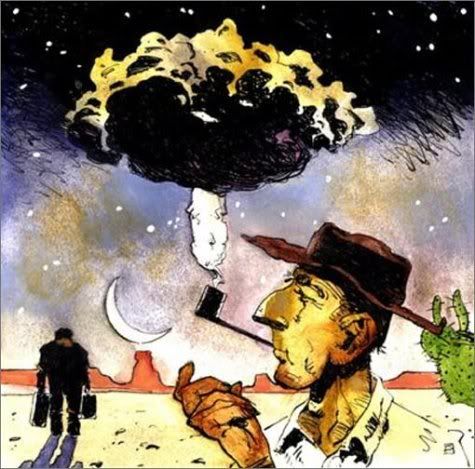
My official book review covers this graphic novel very well, so I will simply copy it here for anyone interested in my analysis of a comic written about J. Robert Oppenheimer and Leo Szilard, the "fathers" of nuclear energy. But before I lose casual readers, I'd love to comment on my favorite section: Szilard was a reknown scientist, but Ottaviani makes much of his skill as a futurist and visionary- In particular his fascination with The World Set Free by HG Wells, a book said to foretell nuclear weapons. In one of the less linear sections of the book, we see Szilard's vision of a future utopia:
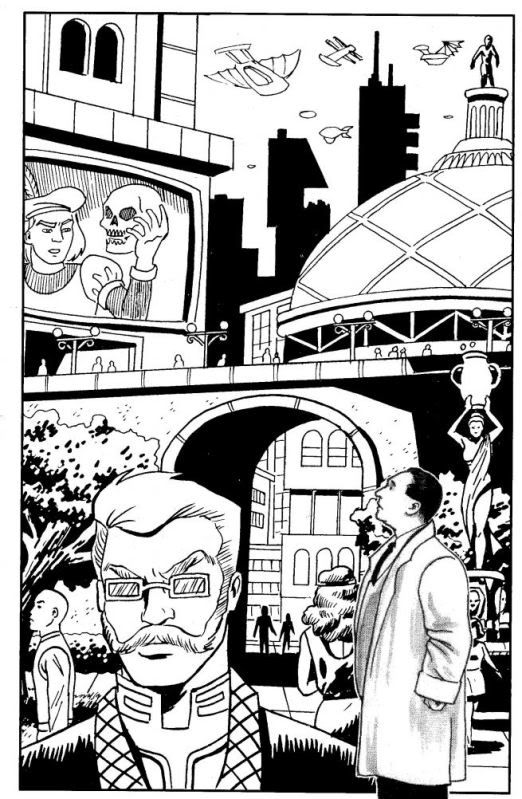
There is other artwork and storytelling that is more striking and emotionally hard-hitting, but the sci-fi fanatic in me loved stumbling upon this world of fantasy in the mind of a man whose visions helped shape the modern world.
Here is the review I wrote January 20, 2011:
A factual and scientific overview of the Manhatten Project composed with art from multiple graphic novel artists and a dramatic narrative from author Ottaviani. This book reviews the historical and scientific aspects of the creation of the atom bomb, but also takes a very keen look at the effect of the creation on the consciousnesses of the creators and the lasting effects on their lives.
Many writers have found the graphic novel forum to be a very effective way of communicating to a wider audience but also of using the artistic structure to convey themes that usually can only come across in movies- and sometimes poorly at that. Ottaviani takes full advantage of the fluid nature of a graphic medium to transport the reader both into actual times and places of the past, but also into the minds and moods of the characters. He tinkers with the facts but is true to the events and goes as far as appending explanations of every change and why it was done. At times the loose flow is hard to follow, and makes you wish that Fallout could be made into a motion picture to get a fuller effect of the sights and sounds that the writer and artists are expressing.
Readers of Fallout will draw inevitable comparisons to Maus, a prior graphic novel about World War II, and Ottaviani admits it as an influence is his source material. The comparison is unfair; Maus is an original masterpiece, where Fallout is a spin-off of sorts. Nonetheless, Fallout is a worthy inheritor of the legacy, and encapsulates a less traumatic but equally devestating aspect of the war.
I recommend this book to anyone who needs to learn more about one of the most devestating and powerful weapons ever devised- which would be just about anyone I know.
1932 - 1960
I grabbed this book off the library shelf recently. I probably had an armful of Justice League trade paperbacks and felt like I could use something a tad more educational in the stack.

Once again I was faced with a story that covered a long time span. Whereas I will often go by the end era, I read this book retroactively (having already moved into the seventies). In some cases I would simply make a note in my timeline file, so that my personal robot could remind me twenty years from now that I should read it. But I delved in recklessly, and I'm glad I did.

My official book review covers this graphic novel very well, so I will simply copy it here for anyone interested in my analysis of a comic written about J. Robert Oppenheimer and Leo Szilard, the "fathers" of nuclear energy. But before I lose casual readers, I'd love to comment on my favorite section: Szilard was a reknown scientist, but Ottaviani makes much of his skill as a futurist and visionary- In particular his fascination with The World Set Free
by HG Wells, a book said to foretell nuclear weapons. In one of the less linear sections of the book, we see Szilard's vision of a future utopia:
There is other artwork and storytelling that is more striking and emotionally hard-hitting, but the sci-fi fanatic in me loved stumbling upon this world of fantasy in the mind of a man whose visions helped shape the modern world.
Here is the review I wrote January 20, 2011:
A factual and scientific overview of the Manhatten Project composed with art from multiple graphic novel artists and a dramatic narrative from author Ottaviani. This book reviews the historical and scientific aspects of the creation of the atom bomb, but also takes a very keen look at the effect of the creation on the consciousnesses of the creators and the lasting effects on their lives.
Many writers have found the graphic novel forum to be a very effective way of communicating to a wider audience but also of using the artistic structure to convey themes that usually can only come across in movies- and sometimes poorly at that. Ottaviani takes full advantage of the fluid nature of a graphic medium to transport the reader both into actual times and places of the past, but also into the minds and moods of the characters. He tinkers with the facts but is true to the events and goes as far as appending explanations of every change and why it was done. At times the loose flow is hard to follow, and makes you wish that Fallout could be made into a motion picture to get a fuller effect of the sights and sounds that the writer and artists are expressing.
Readers of Fallout will draw inevitable comparisons to Maus, a prior graphic novel about World War II, and Ottaviani admits it as an influence is his source material. The comparison is unfair; Maus is an original masterpiece, where Fallout is a spin-off of sorts. Nonetheless, Fallout is a worthy inheritor of the legacy, and encapsulates a less traumatic but equally devestating aspect of the war.
I recommend this book to anyone who needs to learn more about one of the most devestating and powerful weapons ever devised- which would be just about anyone I know.
Monday, March 21, 2011
Casting the Runes
1931
Another tribute to Aleister Crowley, this short story is about people who cross the path of a dark wizard and the subsequent curses that befall them.
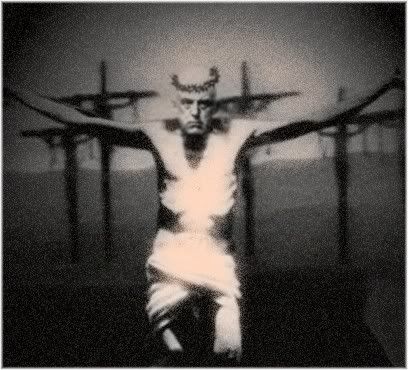
This short short story was written by M.R. James, the prominant ghost story writer of the antiquated early 1900's. James is known for being a ghost story writer. And an antiquarian. No, really.
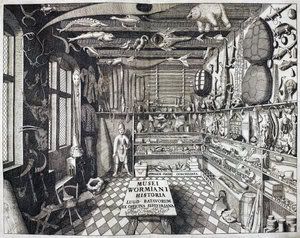
This story is short enough that I read it online during my lunch break at work. It's antiquated enough that I couldn't find it on my book review websites a year ago when I read it.
(Doing an image search on the word short generally comes up with pictures of short hairdos and short skirts. I went with a skirt pic because sex sells. And I'm making so much money off this blog!!!!)

Despite the shortness of this shorty short short story, it rocks. Well, it's Crowley, man. And he's bad-ass. Evil. Hateful. And he was real. Yeah, suck that Vader.
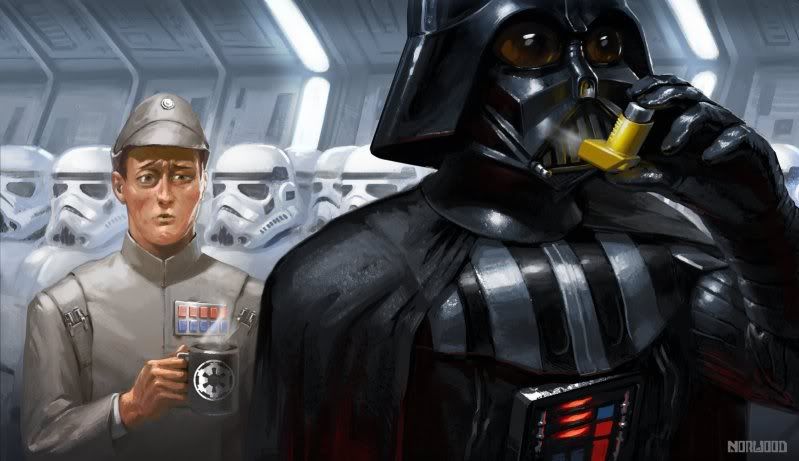
Anyway, that's my blog for the day. Sorry it's kinda short.
Another tribute to Aleister Crowley, this short story is about people who cross the path of a dark wizard and the subsequent curses that befall them.

This short short story was written by M.R. James, the prominant ghost story writer of the antiquated early 1900's. James is known for being a ghost story writer. And an antiquarian. No, really.

This story is short enough that I read it online during my lunch break at work. It's antiquated enough that I couldn't find it on my book review websites a year ago when I read it.
(Doing an image search on the word short generally comes up with pictures of short hairdos and short skirts. I went with a skirt pic because sex sells. And I'm making so much money off this blog!!!!)

Despite the shortness of this shorty short short story, it rocks. Well, it's Crowley, man. And he's bad-ass. Evil. Hateful. And he was real. Yeah, suck that Vader.

Anyway, that's my blog for the day. Sorry it's kinda short.
Subscribe to:
Posts (Atom)